

Acerca de


Cement & Clinker
There are several types of cement, each with different properties and uses. Here are some of the most common types:
-
Ordinary Portland Cement (OPC): This is the most common type of cement used in construction. It is composed of clinker, gypsum, and small amounts of other materials. OPC is available in different grades, such as 33, 43, and 53, based on their compressive strength.
-
Portland Pozzolana Cement (PPC): This type of cement is a blend of OPC and pozzolanic materials such as fly ash, volcanic ash, or silica fumes. PPC has better workability and durability than OPC and is often used in marine structures and dams.
-
Rapid Hardening Cement (RHC): As the name suggests, this cement sets and hardens quickly. RHC is often used in precast concrete products and repair works.
-
Sulphate Resistant Cement (SRC): This cement is designed to resist the harmful effects of sulphates in soil and water. SRC is used in the construction of foundations and underground structures.
-
White Cement: This cement is made with white clinker and white limestone or kaolin. It is used for aesthetic purposes such as in decorative concrete, precast concrete, and terrazzo flooring.
-
Colored Cement: This type of cement is made by adding pigments to OPC or white cement. It is used for decorative purposes and comes in a variety of colors.
-
Low Heat Cement: This cement is designed to generate less heat during the hydration process. It is used in mass concrete structures such as dams, bridges, and retaining walls.
-
Blended Cement: This type of cement is a blend of OPC and supplementary cementitious materials such as fly ash, slag, or silica fume. Blended cement has improved durability and sustainability compared to OPC
Clinker
PORTLAND CEMENT TYPES
Portland cement is the most commonly used type of cement, and it comes in different types depending on its composition and properties. The most commonly used Portland cement types are:
-
Type I: This is the most common type of Portland cement and is used in general construction projects. It is suitable for most applications and is a versatile type of cement.
-
Type II: This type of Portland cement has moderate sulfate resistance and is used in projects where the concrete will be exposed to moderate amounts of sulfate. It is commonly used in concrete foundations and bridges.
-
Type III: This type of Portland cement has high early strength and is used in projects where the concrete needs to gain strength quickly. It is commonly used in precast concrete products, high-rise buildings, and other structures where early strength is important.
-
Type IV: This type of Portland cement is used in projects where the concrete needs to gain strength slowly over time. It is commonly used in large concrete structures such as dams and nuclear power plants.
-
Type V: This type of Portland cement has high sulfate resistance and is used in projects where the concrete will be exposed to high amounts of sulfate, such as in marine structures or soil with high sulfate content. It is commonly used in bridge construction and other infrastructure projects.
-
White Portland Cement: This type of Portland cement is made from raw materials that are low in iron and magnesium, resulting in a white-colored cement. White Portland cement is commonly used in architectural projects, such as decorative concrete and precast concrete panels.


What is Clinker
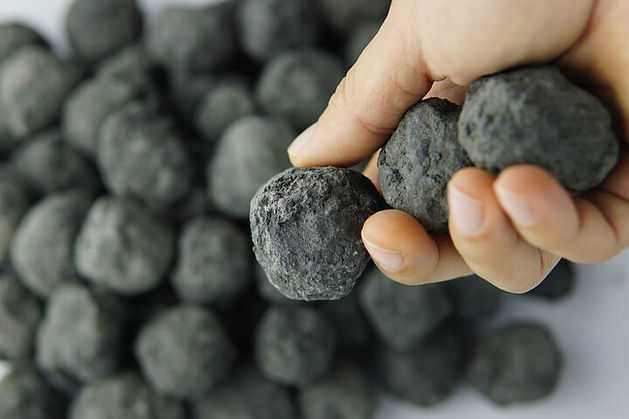
One of the main ingredients in cement is clinker. It is a solid material that is burned in a kiln to form granules or lumps usually 3-25 mm in diameter.
CLINKER
Clinker is a key component of cement. It is a nodular material that is produced during the high-temperature combustion of limestone, clay, and other materials in a kiln.
Clinker is typically grey or dark in color and is made up of small particles that range from a few millimeters to a few centimeters in size.
The chemical composition of clinker varies depending on the raw materials used and the process parameters.
Typically, clinker is composed of 60 to 70 percent calcium silicates, 15 to 25 percent alumina, 5 to 10 percent iron oxide, and small amounts of other compounds such as magnesium oxide and sulfur trioxide.
After the clinker is produced, it is cooled and then ground into a fine powder to produce cement. The properties of the final cement depend on the composition of the clinker and the grinding process used to produce it.
Clinker is a granular material produced by heating a mixture of limestone and clay to a high temperature (around 1450°C) in a kiln. It is the main ingredient used in the production of cement. The specification of clinker can vary depending on the specific requirements of the end-use application.
Some of the key properties of clinker that are typically specified include:
-
Chemical composition: The chemical composition of clinker is important for determining its reactivity, strength development, and setting time. The key components of clinker are calcium oxide (CaO), silicon dioxide (SiO2), aluminum oxide (Al2O3), and iron oxide (Fe2O3). Other minor components may include magnesium oxide (MgO), sulfur trioxide (SO3), and potassium oxide (K2O).
-
Fineness: The fineness of clinker is measured by its specific surface area, which is typically expressed in square meters per kilogram (m2/kg). Finer clinker particles typically react more quickly with water, leading to faster strength development in cement.
-
Loss on ignition (LOI): The LOI of clinker refers to the weight loss that occurs when it is heated to a high temperature (around 1000°C) in the presence of oxygen. This can provide an indication of the amount of unreacted carbonate in the clinker, which can affect its reactivity.
-
Mineralogical composition: The mineralogical composition of clinker can impact its reactivity and strength development. Common minerals found in clinker include alite (tricalcium silicate), belite (dicalcium silicate), ferrite (tetracalcium aluminoferrite), and aluminate (tricalcium aluminate).
-
Clinker cooling rate: The rate at which clinker is cooled can impact its mineralogical composition, and therefore its reactivity and strength development. Rapid cooling can promote the formation of more reactive minerals, while slower cooling can lead to the formation of less reactive phases.
These properties can be specified according to various international standards, such as ASTM C150 or ISO 3008-1.